
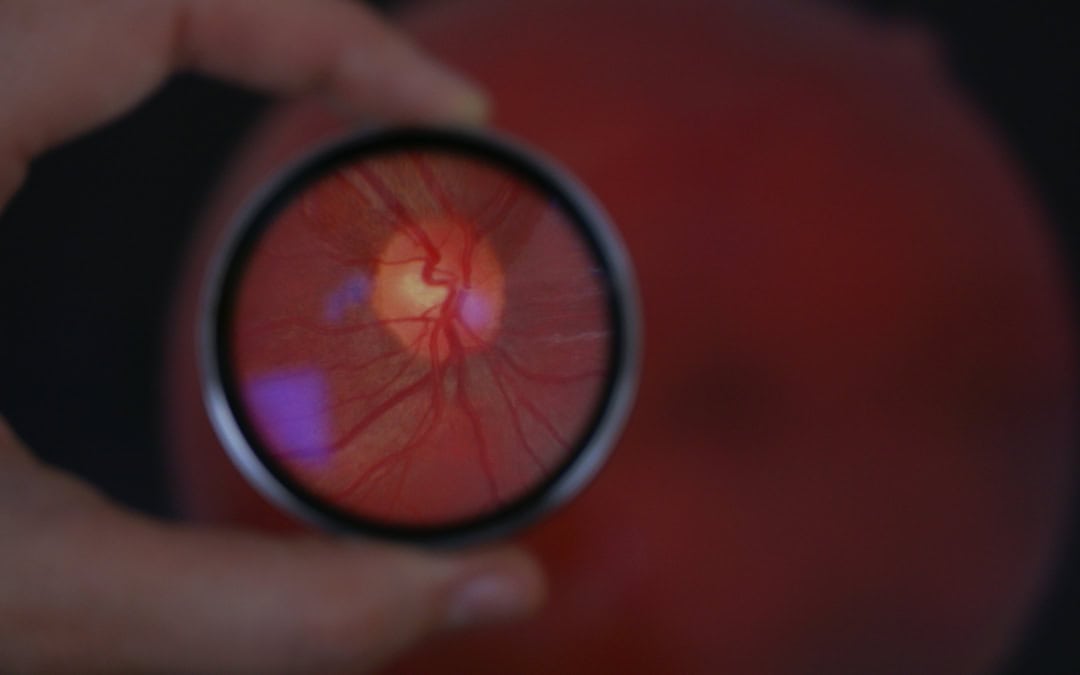
Diabetic retinopathy ranks as the leading cause of vision loss in adults between 20 and 65 years old, affecting over 9.6 million people in the USA. This diabetes-related eye disease quietly weakens the blood vessels supplying your retinas. However, not everyone with diabetes develops retinopathy.
Understanding your risk factors and acting early can dramatically protect your vision from diabetic retinopathy.
Whether you have type 1 or type 2 diabetes, this guide explains the diabetic retinopathy symptoms you should never ignore, the treatment options available from early intervention to advanced proliferative diabetic retinopathy, and the daily habits that shield your eyesight. Understanding your risk factors and acting early can dramatically protect your vision.
Understanding Diabetic Retinopathy and its Stages
High blood sugar works slowly and silently, damaging the tiny blood vessels that nourish your retina, which is the light-sensitive tissue that lines the back of your eye. Each surge in glucose weakens these vessels a little more, setting the stage for diabetic retinopathy, a condition that progresses through two distinct stages.
Non-proliferative diabetic retinopathy (NPDR) is the initial phase. Retinal blood vessels weaken and develop small bulges called microaneurysms that leak fluid and blood. When this fluid collects in the macula (the part of your retina responsible for sharp central vision) it causes macular edema. About half of people with diabetic retinopathy develop this swelling, which stands as the most common cause of blindness among those affected.
Proliferative diabetic retinopathy (PDR) is an advanced, more dangerous stage. When blood vessels become too damaged to supply adequate oxygen, your retina attempts to compensate by growing new vessels. These replacements are fragile and bleed easily into the vitreous, which is the clear gel filling the inside of your eye.
Minor bleeding produces dark floaters drifting across your vision. Severe bleeding can completely block your sight.
Furthermore, these abnormal vessels generate scar tissue capable of pulling your retina away from the back of your eye, a medical emergency that requires immediate attention.
Anyone with type 1, type 2, or gestational diabetes carries the risk of developing this condition.
Duration of diabetes matters more than most people realize. After 20 years with the disease, nearly 100% of type 1 patients and 60% of type 2 patients show measurable retinal changes. The longer high blood sugar goes uncontrolled, the greater the toll on your eyes.
Diabetic Retinopathy Symptoms You Should Never Ignore
Diabetic retinopathy works silently. Early stages produce no noticeable symptoms, which is why regular dilated eye exams remain essential even when your vision seems perfectly normal.
As the condition advances, specific warning signs begin to emerge. Blurred vision often appears first, sometimes fluctuating throughout the day as your blood sugar levels shift. Floaters develop when retinal blood vessels leak or rupture (learn more about floaters in the Chang Eye Group eye health insights page).
Difficulty seeing at night affects many people with early retinopathy and typically worsens over time. Colors may appear faded or washed out, a problem that impacts approximately 50% of patients with diabetes. And some people notice blank or dark areas in their visual field where sections of the retina have lost their blood supply entirely.
Here are several warning signs that demand immediate attention by an eye doctor:
- A sudden, rapid increase in floaters
- Flashes of light across your vision
- A curtain-like shadow spreading across your visual field
- Abrupt, unexplained vision loss
These are emergencies. Request a same-day evaluation immediately. Each of these symptoms signals possible bleeding inside your eye or retinal detachment. Waiting even a few hours can mean the difference between preserving your sight and facing permanent damage.
Approximately 40% to 45% of patients with diabetes show signs of diabetic retinopathy, yet many overlook early symptoms or dismiss them as minor inconveniences. Schedule a comprehensive eye exam at Chang Eye Group in Pittsburgh at the first sign of any vision change. Your eyesight is too valuable to risk through delay.
Diabetic Retinopathy Treatment Options
Treatment for diabetic retinopathy depends directly on how far the condition has progressed. Managing your blood sugar remains your strongest foundation: a 10% decrease in HbA1c reduces retinopathy progression risk by 39%. When the disease advances despite your best preventive efforts, proven medical interventions can halt further damage and protect your remaining sight.
Anti-VEGF injections: stopping abnormal vessel growth
Anti-VEGF injections serve as the first-line treatment for both diabetic macular edema and proliferative diabetic retinopathy. These advanced medications block vascular endothelial growth factor, the specific protein that drives abnormal blood vessel growth and causes retinal swelling.
Your doctor will typically schedule monthly injections at first, with frequency decreasing as your eyes respond to treatment. Recent studies show anti-VEGF therapy can reduce vision-threatening complications by 65% after the first year.
Laser photocoagulation: sealing the damage
Laser photocoagulation uses precisely focused light to seal leaking vessels or shrink abnormal ones. Focal laser treatment targets specific problem areas near your macula, while scatter (panretinal) photocoagulation applies hundreds of laser burns across wider retinal zones.
Remember that this approach stabilizes your vision rather than restoring what’s already been lost. This means that early detection by your ophthalmologist is critical: identifying retinopathy before extensive damage occurs gives laser treatment the best chance of preserving your sight.
Vitrectomy surgery: addressing the most advanced cases
Vitrectomy surgery becomes necessary when persistent bleeding or retinal detachment threatens your vision. Surgeons remove the blood-filled vitreous gel and repair retinal damage directly, with extremely good success rates. Most patients return to normal activities within 2-4 weeks following surgery.
Each of these treatments works most effectively when retinopathy is caught before complications escalate. Schedule a comprehensive eye exam at Chang Eye Group in Pittsburgh to determine which treatment path is best to protect your vision.
Protecting Your Vision from Diabetic Retinopathy
Diabetic retinopathy works silently. Damage accumulates before you notice a single symptom.
Your strongest defense is to schedule regular dilated eye exams. Early detection catches retinal changes before they become irreversible. And remember that continuous blood sugar control will help contribute to the best results.
When you spot warning signs like floaters or blurred vision, schedule an appointment with your eye doctor rather than waiting to see if the condition resolves on its own. With proper monitoring and timely intervention, preserving your sight for decades remains well within reach. Your eyesight is too valuable to risk through delay or neglect.
Schedule a comprehensive eye exam at Chang Eye Group in Pittsburgh, where specialists can detect diabetic retinopathy in its earliest stages and help you build a protection plan for healthy vision.
FAQs
Q: What happens in the first stage of diabetic retinopathy?
A: The first stage, called non-proliferative diabetic retinopathy (NPDR), occurs when high blood sugar weakens the tiny blood vessels in your retina. These vessels develop small bulges called microaneurysms that can leak fluid and blood. When this fluid accumulates in the macula (the central vision area), it causes swelling known as macular edema, which is the most common cause of vision loss in people with diabetic retinopathy.
Q: How can I tell if I have diabetic retinopathy?
A: Early diabetic retinopathy typically produces no noticeable symptoms, which is why regular eye exams are essential. As the condition progresses, you may experience blurred vision, floaters (spots or dark strings in your sight), difficulty seeing at night, faded colors, or blank areas in your visual field. Sudden vision changes, increased floaters, flashes of light, or a curtain-like shadow require immediate medical attention.
Q: Besides controlling blood sugar, what else helps prevent diabetic retinopathy?
A: Managing your blood pressure is crucial for preventing diabetic retinopathy progression. Regular comprehensive dilated eye exams allow for early detection before permanent damage occurs. Maintaining tight blood sugar control remains foundational as studies show that a 10% decrease in HbA1c reduces retinopathy progression risk by 39%. Even when your vision seems normal, proactive monitoring and working closely with your healthcare team are essential preventive measures.
Q: Who is most at risk for developing diabetic retinopathy?
A: Anyone with type 1, type 2, or gestational diabetes can develop diabetic retinopathy. Duration of diabetes significantly increases risk: after 20 years, nearly 100% of type 1 patients and 60% of type 2 patients show some degree of retinopathy. The condition affects over 9.6 million people in the USA and is the leading cause of vision loss in working-age adults between 20 and 65 years old.
Q: What treatment options are available for diabetic retinopathy?
A: Treatment depends on the stage of progression. Anti-VEGF injections are the first-line treatment for advanced cases, blocking abnormal blood vessel growth and reducing swelling. Laser photocoagulation seals leaking vessels or shrinks abnormal ones to stabilize vision. For severe cases with persistent bleeding or retinal detachment, vitrectomy surgery removes blood-filled gel and repairs retinal damage. Blood sugar and blood pressure management remain essential at all stages.