
The eye doctors at Chang Eye Group have managed the LASIK recovery process for hundreds of patients in Pittsburgh. Most people expect a long, difficult recovery, however, in reality, the timeline and process looks very different.
Vision improvements often appear within hours of surgery, and within 24-48 hours, many patients return to a significant number of their normal activities. Full healing does take time: typically, three to six months as your eyes and vision completely stabilize. But the early milestones arrive faster than most patients anticipate.
Knowing what to expect at each stage makes all the difference. This guide walks you through the LASIK recovery timeline hour by hour and week by week, what activities you can safely resume and when, and the recovery tips that protect your results during the healing process.
LASIK Eye Surgery Recovery Timeline
Every stage of LASIK recovery follows a predictable pattern. Knowing what’s normal at each point keeps you from mistaking expected healing for a problem that needs medical attention.
First few hours: Hazy vision and mild burning
After about 30 minutes, the anesthesia used by your eye surgeon begins to wear off. This is when most patients feel a variety of post-procedure symptoms. Itching, burning, or the sensation of something trapped in your eye are all typical at this stage. This stinging usually peaks within the first 2-4 hours before gradually easing, and most patients find it resolves within 5-6 hours after surgery.
Your vision during this window will seem hazy, almost like peering through water, and both eyes may tear heavily.
Do not rub your eyes. Rubbing during early recovery can disturb the healing corneal flap. Resting with your eyes closed in a dim, quiet room for at least 2-4 hours will gives your eyes the rest they need following the procedure.
First 24-48 hours: Early vision gains and your first checkup
The cornea begins settling overnight, and the results often surprise patients. Many wake up with noticeably clearer vision, and some have a significant improvement by the next morning.
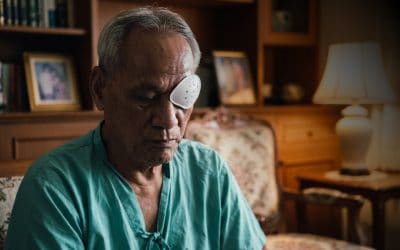
Your eye surgeon will schedule a follow-up within 24-48 hours. At this visit, the protective shield comes off, your vision gets tested, and the eye surface is examined for proper healing. You’ll leave with antibiotic or anti-inflammatory drops and artificial tears to support recovery.
Although the protective shield is removed, you will still need to avoid non-contact sports for at least another 1-3 days, depending on how your eyes are recovering. Our doctors will answer any questions that you have and explain the best timeline for you to restart these activities.
Days 3-7: What changes as discomfort eases
Light sensitivity begins fading noticeably after about three days, and most physical discomfort will be largely resolved by this point. The good news: most people are back to driving, working, and light exercise within this window.
That said, glare, halos, burning, and dry or itchy eyes can still appear through the one-week mark. Strenuous workouts, swimming, and hot tubs remain off-limits for several more weeks, even when everything else starts feeling normal again.
Weeks 2-4: Why vision may still fluctuate
Fluctuating or slightly blurry vision during the second through fourth week isn’t a setback. Dry eye is almost always the cause, and it’s an expected part of how the cornea heals after surgery.
Most patients meet the legal standard for driving within two weeks, but fine detail and low-light vision continue sharpening well beyond that time. Ask your eye doctor when it is safe for you to return to driving based on your own unique healing progress.
Minor fluctuations in your vision can persist for anywhere from one to three months as corneal nerves regenerate and the surface fully stabilizes. Each week brings gradual refinement, even when the changes are too subtle for you to notice day to day.
Months 1-6: Vision settling versus returning to daily life
Full healing from surgery typically takes three to six months. Dry eye symptoms affect nearly all LASIK patients to some degree, with many still experiencing them up to 90 days after surgery. A very small percentage of patients may eventually need a touch-up procedure to fine-tune their results which will be discussed in your follow-up appointments if needed.
You should find that your daily life typically feels normal well before the six-month mark. Your eyes, however, keep continuing to work through the complete healing and adjustment process. Your vision focus will continue to refine itself right up until full stabilization is achieved.
When can you Return to Normal Activities after LASIK?
Healing from eye surgery takes place in stages, and so does your return to daily life. The right timing for each activity depends on how much visual demand it places on your recovering eyes, so rushing that process can potentially compromise the results.
Driving: Wait for your eye doctor’s approval
Surgery day requires a driver. Sedation and blurry vision make getting behind the wheel unsafe, and your surgeon will be clear about this before you leave the clinic. At your follow-up exam the next morning, your surgeon checks whether your vision meets legal driving standards. Many of our patients will receive clearance for daytime driving at that visit.
Night driving deserves extra caution. Halos and glare after dark are common in the first week, so hold off on evening drives until those symptoms settle.
Work and screens: Start as comfort and job demands allow
Give your eyes a complete break from screens for the first 4-5 hours after surgery. Returning to work typically happens within one to three days, though the timeline depends on how visually demanding your job is. Desk work and moderate screen use can usually resume after about two days, but be sure to build-in frequent breaks for your vision.
Most patients find regular screen use feels normal again after 1-2 weeks. If your eyes still feel strained, that’s a signal to slow down and continue taking regular breaks from looking at the screen.
Exercise and contact sports: Return in stages with eye protection
Your activity level comes back gradually, not all at once:
- Light activity like walking or stretching: 3-7 days
- Moderate exercise such as jogging or machine weights: about one week
- Heavy lifting and intense workouts: at least 1-2 weeks based on your follow-up appointments
- Contact sports like basketball or martial arts: about 2-4 weeks, with protective goggles once your surgeon clears you
The reason for this staged approach is straightforward. Sweat, impact, and physical strain can all interfere with the healing flap during the early weeks. Protective eyewear is essential to protect your eye health and vision once you are cleared to return to contact sports.
Showering, swimming, and eye makeup: Follow your surgeon’s waiting periods
You can shower the day after surgery, but keep soap, shampoo, and water away from your eyes for a full week. Water introduces bacteria, and a healing cornea has almost no defense against infection during this window.
Swimming pools require goggles for one to two weeks. You will need to avoid using hot tubs and natural water bodies like lakes and rivers for at least two weeks, while higher-impact water sports may need to be restricted for at least 2-4 weeks.
You can start using eye makeup after one week, but be sure to use fresh products to avoid contamination. Eyelash extensions will require at least two months before it is safe for reapplication.
Following your surgeon’s waiting periods is important to protect both your eye health and your LASIK results.
Essential LASIK Surgery Recovery Tips to Support Healing
Recovery from LASIK isn’t a passive process. What you do while healing can also shape how quickly and how well your vision stabilizes. In fact, skipping a few key habits is one of the most common reasons patients experience setbacks during recovery.
Use prescription drops & artificial tears as directed
Your eye doctor prescribes antibiotic, anti-inflammatory, and lubricating drops for a reason. Sticking to that schedule matters more than almost anything else in your recovery.
Wash your hands before every application. Clean hands reduce infection risk while your cornea heals, and this step takes seconds but makes a real difference.
Keep using your drops even once your eyes feel comfortable. Healing continues beneath the surface long after discomfort fades, and stopping early can quietly undermine the progress.
Do not switch to over-the-counter alternatives without first checking with your eye doctor as it may have a negative effect on your healing.
Remember: consistently following your drop schedule gives your eyes exactly the environment they need to heal properly.
Avoid rubbing your eyes and wear sleep shields as advised
For the first week, keep your hands away from your eyes entirely. Putting any type of pressure on your eyes during this stretch can disturb the healing flap, which is the very structure that makes your vision correction possible.
Eye shields or goggles worn during sleep for the first few nights serve a specific purpose. You can control your hands while you’re awake. You cannot control them while you’re sleeping. That small protection makes a significant difference during the most critical phase of healing.
Rest your eyes and use sunglasses for light sensitivity
Once you’re home, rest for two to four hours and avoid strenuous activity. A full night’s sleep on that first night noticeably reduces next-day haze and discomfort for our patients.
Be sure to give your eyes every advantage during these initial first days following surgery. Limiting screen time for a day or two gives the visual system a genuine break. Outdoors, sunglasses do double duty: cutting down light sensitivity while blocking UV exposure. Even cloudy days in Pittsburgh can expose your eyes to dangerous UV levels, so be sure to keep your sunglasses available even for short trips.
Finally, staying away from dust, smoke, and airborne irritants protects the healing surface from unnecessary strain that slows recovery.
These habits aren’t complicated. Together, they create the conditions your eyes need to deliver the results you were hoping for when you chose LASIK.
How to Track Healing and Know When to Call your Eye Doctor
Every eye heals differently. Your recovery timeline may be very different from what your friend experienced after their procedure for several specific reasons.
Why dry eye, your prescription, and eye health affect recovery time
Pre-existing dry eye, diabetes, and higher degrees of correction all raise the odds of prolonged dryness and slower healing. Studies show that up to 95% of patients report some dry eye symptoms immediately after surgery, and about 60% still notice them at the one-month mark.
Your individual biology matters as much as the procedure itself.
What follow-up visits check as your eyes heal
Each scheduled visit serves a specific purpose. At your day one or two appointment, your surgeon examines vision quality, flap position, and the overall health of your eye surface. Additional checks follow as needed through the first six months, giving your eye care team the information they need to catch any complications before they affect your final results.
Don’t skip these appointments, even when your vision feels perfect. If you need to move to a new location that is too far from your original eye doctor, be sure to schedule a follow-up with a local ophthalmologist to keep your eye health on track. And if you recently moved to Pittsburgh, schedule an eye exam or LASIK surgery follow-up appointment at one of the Chang Eye Group convenient locations.
Severe pain, sudden vision loss, or worsening redness: Seek urgent care
Some symptoms cannot wait for your next scheduled visit.
Intense pain paired with nausea, rapid vision loss, or halos accompanied by pain signals a true emergency requiring same-day treatment. Contact your eye surgeon immediately if you have any of these symptoms.
Ongoing glare or blurry vision: When to request another exam
Not every concern requires emergency care, but several symptoms do warrant a prompt call to your eye doctor. Reach out if:
- Blurriness worsens instead of gradually improving
- Vision suddenly drops
- Redness or discharge increases
- New floaters or flashes appear
These signs don’t always indicate a serious problem, but your surgeon needs to evaluate them directly.
Why regular eye exams still matter after recovery
Stable vision after LASIK isn’t a reason to stop seeing your eye doctor. Even when your results feel settled, annual checkups catch changes you might not notice on your own.
Scheduling a comprehensive eye exam at Chang Eye Group in Pittsburgh keeps your long-term eye health on track well beyond your LASIK recovery and further protects the vision you worked to achieve.
Protecting Your Vision After LASIK
Most patients regain clear, functional vision within days of the LASIK procedure. Full stabilization takes a few months.
It’s important to realize that both timelines matter: following your drop schedule, wearing your sleep shields, protecting your eyes outdoors, and attending every follow-up appointment are not optional steps. They’re what separate a smooth recovery from an avoidable setback.
Your eyesight is too valuable to risk through shortcuts or neglect. If something feels wrong — worsening pain, sudden vision changes, or increasing redness — contact your eye doctor as soon as possible. Don’t wait to see if it improves on its own. Some symptoms signal complications that require prompt attention to protect the results you’ve already achieved.
Recovery doesn’t end when the discomfort fades. Your eyes continue stabilizing for months, which makes regular eye exams essential even after everything feels normal.
The good news: with patience and consistent care, LASIK delivers lasting, sharp vision for the overwhelming majority of patients. Schedule a comprehensive eye exam at Chang Eye Group in Pittsburgh to keep your long-term eye health on track well beyond your LASIK recovery.
FAQs
Q: How long does recovery from LASIK usually take?
A: Many people notice clearer vision within 24-48 hours and resume daily activities within days. Full healing and vision stabilization generally take three to six months.
Q: When can I drive or return to work after LASIK?
A: Drive only after your eye doctor clears you, often at the first follow-up visit. Most people return to work within 1-3 days, depending on comfort and job demands.
Q: Is blurry or changing vision normal during LASIK recovery?
A: Yes. Dryness can cause temporary blurriness and vision changes for weeks or months. Contact your eye doctor if vision worsens rather than having gradually improvement.
Q: What can I do to support healing after LASIK?
A: Use prescribed drops and artificial tears as directed, avoid rubbing your eyes, and wear sleep shields as advised. Rest your eyes, use sunglasses outdoors, and attend follow-up appointments.
Q: Which symptoms after LASIK need urgent medical attention?
A: Severe pain, sudden vision loss, or worsening redness require urgent attention. Contact your eye doctor promptly for increasing discharge, new flashes or floaters, or worsening blurry vision.