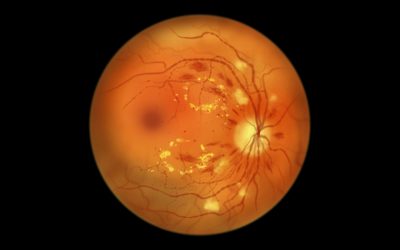

Between 3 and 6 million Americans face elevated eye pressure that could steal their vision without warning. This condition, known as ocular hypertension, silently threatens your eyesight by potentially leading to glaucoma, the disease that damages the optic nerve and causes irreversible blindness in more than 3 million Americans.
What makes ocular hypertension particularly dangerous is its connection to glaucoma development. Without treatment, your five-year risk of developing glaucoma reaches 9.5%, but drops to just 4.4% when you receive appropriate care. For those with specific risk factors, untreated ocular hypertension can create a staggering 36% chance of glaucoma within five years.
Proper treatment can reduce your risk of developing glaucoma by 60% compared to receiving no intervention at all.
Half of glaucoma patients remain undiagnosed, making regular screening essential even when you feel fine. However, proper treatment can reduce your risk of developing glaucoma by 60% compared to receiving no intervention at all.
Early diagnosis and intervention remain essential for protecting your optic nerve and preventing irreversible eye damage.
Whether you’ve recently discovered elevated eye pressure or you’re weighing different treatment approaches, this guide explains the strategies that can preserve your vision and prevent glaucoma from developing. You’ll discover how to assess your personal risk factors, understand available treatment options, and make informed decisions about when to begin intervention. Your vision deserves protection throughout your lifetime, and understanding your treatment options puts you in control of preserving your sight.
Understanding Ocular Hypertension
Ocular hypertension occurs when pressure inside your eyes consistently exceeds normal levels. Your eye pressure, measured as intraocular pressure (IOP), should typically fall between 11 to 21 mmHg. However, if your IOP exceeds 21 mmHg at multiple visits to your eye doctor, you may have ocular hypertension. What distinguishes this condition from glaucoma is that elevated pressure exists without detectable damage to the optic nerve or visual field loss.
What is ocular hypertension?
Your eyes function like sophisticated plumbing systems. Clear fluid called aqueous humor continuously flows through your eyes, nourishing delicate tissues and maintaining proper eye shape. Under normal circumstances, your eyes produce and drain this fluid at perfectly balanced rates.
Problems arise when drainage channels become blocked or resistant. When fluid cannot exit your eye efficiently, pressure builds up inside the eye. Studies indicate that 4-10% of people over 40 develop elevated eye pressure.
Ocular hypertension operates silently. You won’t feel pain or notice vision changes during early stages, which explains why regular eye examinations become crucial for detection. The condition can develop in one eye (unilateral) or both eyes (bilateral).
Ocular hypertension vs glaucoma
These related conditions follow different pathways. Ocular hypertension means elevated eye pressure without optic nerve damage, while glaucoma involves both increased pressure and progressive nerve damage that destroys vision.
The landmark Ocular Hypertension Treatment Study (OHTS) revealed this critical distinction. Over five years, approximately 9.5% of untreated patients developed glaucoma, compared to only 4.4% of those receiving treatment. It’s also important to note that over the study timeframe, 90.5% of untreated participants never developed glaucoma. This means elevated eye pressure creates risk that does not necessarily result in the development of glaucoma.
Why high eye pressure threatens your vision
Elevated eye pressure functions as the primary risk factor for glaucoma development. Your risk escalates dramatically with higher pressure readings. Studies demonstrate that five-year glaucoma incidence climbs from 2.6-3% with IOP between 21-25 mmHg to a concerning 42% for pressures exceeding 30 mmHg.
Research suggests that IOP fluctuation may independently contribute to disease progression. Consistent pressure control might protect your optic nerve more effectively than simply achieving lower pressure readings.
Regular monitoring becomes essential because:
- Ocular hypertension increases retinal vein occlusion risk by approximately 3%
- Elevated pressure creates ongoing stress on your optic nerve
- Damage accumulates gradually without symptoms
- Early intervention prevents progression to irreversible vision loss
Rather than worrying whether you have ocular hypertension, focus on partnering with your eye doctor to monitor and manage your eye pressure effectively.
Who Faces the Greatest Risk for Glaucoma?
Your personal risk profile determines whether ocular hypertension will progress to sight-threatening glaucoma. While elevated eye pressure affects millions of Americans, certain factors dramatically increase your chances of developing permanent vision loss.
Age and ethnicity create distinct vulnerability patterns
Your glaucoma risk jumps significantly after age 60 for most populations. Yet if you’re African American, this risk escalates much earlier, after age 40. The statistics reveal striking disparities: African Americans face 5-8 times higher risk of developing open-angle glaucoma and experience blindness from this condition approximately 6 times more frequently than other populations.
And as we noted earlier, the timing is also concerning as glaucoma typically develops in African Americans about 10 years earlier than other ethnic groups.
Hispanic and Asian populations also face elevated risks, with Asians and Native Alaskans showing particular vulnerability to angle-closure glaucoma. People of Japanese descent develop low-tension glaucoma more commonly than other populations.
Why your cornea thickness matters more than you think
Central corneal thickness serves as a powerful predictor for glaucoma development that many patients don’t know about. The Ocular Hypertension Treatment Study noted above also revealed these findings: individuals with thinner corneas (555 μm or less) face a 3x greater risk of developing glaucoma compared to those with thicker corneas (more than 588 μm).
This relationship remains significant even after accounting for age and baseline pressure. Thinner corneas may cause your eye doctor to underestimate your true intraocular pressure during measurement, potentially leading to inadequate treatment. Some researchers believe thin corneas might signal structural weakness at the optic nerve level.
Your family history creates powerful risk multiplication
Having a family history of glaucoma will increase your risk by 4-9 times if you have an affected parent or sibling. First-degree relatives of glaucoma patients show a 10-fold increased risk compared to relatives of those without glaucoma.
The risk becomes even more dramatic in certain populations. Among siblings of African American patients with glaucoma, the risk approaches 20% by age 65.
Medical conditions that threaten your vision
Several health conditions significantly elevate your glaucoma risk:
- Diabetes affects blood vessels throughout your eyes and increases glaucoma development
- Cardiovascular disease and hypertension reduce vital blood flow to your optic nerve
- Sleep apnea may contribute to progressive optic nerve damage
Long-term steroid medication use creates approximately 40% increased risk by raising intraocular pressure over time. This includes prescription steroids for conditions like asthma or arthritis.
For patients with multiple risk factors, especially those with ocular hypertension, proper monitoring becomes essential for preserving sight. Understanding your personal risk profile helps you and your eye doctor determine the right approach to protecting your vision.
Treatment Options for Ocular Hypertension
The Ocular Hypertension Treatment Study demonstrated that proper intervention reduces your risk of developing glaucoma by more than 50%. Understanding your treatment options empowers you to take control of preserving your vision.
Topical medications to lower eye pressure
Eye drops represent the most common first-line treatment for ocular hypertension. These medications target different mechanisms within your eye:
Prostaglandins work once daily to increase fluid outflow from your eye. Beta-blockers decrease fluid production and typically require dosing once or twice daily. Alpha-adrenergic agonists both reduce fluid output and increase drainage, used two to three times daily. Carbonic anhydrase inhibitors decrease fluid production with twice or thrice daily dosing. Rho kinase inhibitors lower fluid production when used once daily.
After five years of treatment, clinical studies reveal that almost 40% of patients require two or more medications, while about 9% need three or more for optimal pressure control. Your eye doctor will adjust your medication regimen based on how well your pressure responds to treatment.
Laser therapy and surgical alternatives
Selective laser trabeculoplasty (SLT) offers a compelling alternative to daily eye drops. This outpatient procedure uses targeted laser energy to improve your eye’s natural drainage system.
SLT provides several advantages over medications. The treatment requires minimal recovery time while delivering comparable pressure reduction to eye drops. You eliminate concerns about remembering daily doses, and the procedure can be repeated when effects diminish over time.
For patients who don’t respond adequately to medications or laser therapy, surgical options like trabeculectomy create new drainage pathways for eye fluid. Your ophthalmologist will recommend surgical intervention only when less invasive options prove insufficient.
Natural approaches: what the research shows
Research on natural remedies for ocular hypertension reveals limited evidence for effectiveness. Certain compounds including baicalein, forskolin, resveratrol, and hesperidin have demonstrated pressure-lowering effects in preliminary studies.
It is important to note that these natural approaches should never replace prescribed medical treatments. You should always consult with your eye doctor regarding your prescriptions and the use of any natural supplements.
Managing expectations about treatment outcomes
Ocular hypertension cannot be cured, but it responds well to proper management. Treatment can reduce your risk of developing glaucoma by up to 50%. Even with treatment, some individuals still develop glaucoma over time, making it essential to schedule regular monitoring and eye exams.
Your treatment success depends on consistent use of prescribed medications and regular follow-up appointments. Working closely with your eye care team creates the best foundation for preserving your vision long-term.
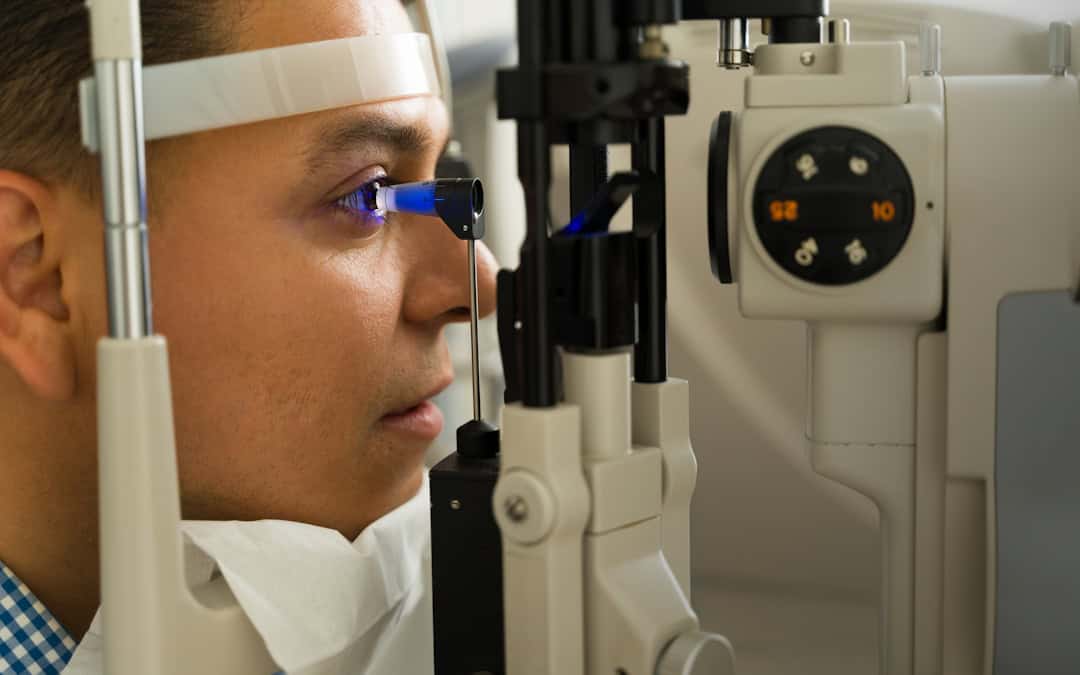
Schedule a comprehensive eye exam at Chang Eye Group in Pittsburgh to assess your individual risk factors and determine the most appropriate management strategy.
Making the Right Treatment Decision for Your Eyes
Treatment timing for ocular hypertension isn’t a one-size-fits-all decision. Your eye doctor considers multiple factors beyond pressure readings to determine whether you need immediate intervention or can safely monitor your condition.
Understanding your personal risk level
Your five-year risk of developing glaucoma depends on several key factors that work together to create your unique risk profile. The most significant predictors include:
- Your age and current intraocular pressure levels
- Central corneal thickness measurements
- Cup-to-disc ratio of your optic nerve
Risk assessment tools can identify patients with as little as 1-2% risk over five years compared to those facing 25-35% risk. This wide variation explains why doctors typically recommend treatment for moderate-to-high risk patients while monitoring those at lower risk.
Think of this assessment as creating a personalized roadmap for your eye care. When your risk factors suggest a higher likelihood of glaucoma development, early treatment provides the strongest protection for your vision.
Weighing monitoring against immediate treatment
Patients with fewer risk factors may benefit from careful observation rather than immediate treatment. Research from the Ocular Hypertension Treatment Study reveals that participants who developed early glaucoma without visual field changes reported no difference in their quality of life compared to those who never developed the condition.
This finding creates valuable breathing room for you and your doctor to establish appropriate monitoring schedules and decide when treatment becomes necessary.
Regular monitoring allows you to track changes over time while avoiding potential medication side effects until treatment becomes clearly beneficial. Your eye doctor will determine examination frequency based on your specific risk profile.
Balancing costs, side effects, and quality of life
Treatment costs can escalate significantly once glaucoma progresses, making early intervention economically sensible when appropriate. However, research indicates that treatment becomes cost-effective primarily when you have at least 18 years of remaining life expectancy.
Medication side effects can substantially impact your daily comfort and well-being. Studies demonstrate that quality of life scores decrease as the number of required medications increases.
Remember that these decisions require personalized evaluation.
Your age, overall health, lifestyle, and personal preferences all influence the best approach for managing your ocular hypertension. Some people prioritize preventing any possibility of vision loss, while others prefer to avoid daily medications until absolutely necessary.
Schedule a comprehensive eye exam at Chang Eye Group in Pittsburgh to discuss your specific risk factors and develop a monitoring or treatment plan that aligns with your individual circumstances and goals.
Protecting Your Vision from Ocular Hypertension
Ocular hypertension silently affects millions of Americans, creating risk for glaucoma development without producing noticeable symptoms until actual eye damage has occurred. What makes this condition manageable is your ability to take control through informed decision-making and appropriate care.
Understanding your personal risk profile empowers you to work with your eye doctor in determining the right approach. Whether you face elevated risk due to age, ethnicity, family history, or corneal thickness, the treatment decisions you make directly impact your vision’s future.
Your treatment options range from daily eye drops to laser therapy, each offering proven methods for reducing pressure and protecting your optic nerve. Although ocular hypertension cannot be cured, when detected early it can respond well with proper management.
Don’t wait for symptoms to appear—by then, damage may have already begun. The choice between immediate treatment and careful monitoring depends on your individual circumstances. Your eye care professional can evaluate your specific risk factors and help you weigh the benefits of early intervention against potential side effects and quality of life considerations.
Regular eye exams remain essential for tracking any changes that might signal progression toward glaucoma. These appointments not only monitor your condition, but they also help protect your sight through timely detection and intervention.
Your eyesight is too valuable to risk through delay or neglect. Taking action now to address elevated eye pressure could preserve your vision for years to come. The steps you take today determine your vision tomorrow.
Schedule a comprehensive eye exam at Chang Eye Group at one of our convenient locations in Pittsburgh to assess your individual risk factors and develop a personalized management strategy that protects your sight throughout your lifetime.
FAQs
Q: Does ocular hypertension always progress to glaucoma?
A: While ocular hypertension is a significant risk factor for glaucoma, it doesn’t always lead to the condition. Studies show that with proper treatment, the risk of developing glaucoma can be greatly reduced. However, regular monitoring is crucial as the risk increases with higher eye pressure.
Q: What are some effective ways to manage ocular hypertension?
A: Managing ocular hypertension typically involves a combination of approaches. These may include using prescribed eye drops, considering laser therapy options like selective laser trabeculoplasty (SLT), maintaining a healthy lifestyle with regular exercise, and attending regular eye check-ups to monitor your condition.
Q: Who is at higher risk for developing glaucoma from ocular hypertension?
A: Several factors increase the risk of glaucoma in people with ocular hypertension. These include being over 60 years old (or over 40 for African Americans), having a family history of glaucoma, thin corneas, certain medical conditions like diabetes or hypertension, and long-term use of steroid medications.
Q: How often should I have my eyes checked if I have ocular hypertension?
A: The frequency of eye exams for ocular hypertension varies based on individual risk factors. Generally, your eye doctor will recommend a schedule based on your specific situation. This could range from every 3-4 months for high-risk individuals to annually for those at lower risk. Regular monitoring is key to early detection of any changes.
Q: Can ocular hypertension be cured?
A: Currently, there is no cure for ocular hypertension. However, it can be effectively managed with proper treatment and regular monitoring. The goal of treatment is to lower eye pressure and reduce the risk of developing glaucoma. With appropriate management, many people with ocular hypertension can prevent or delay the onset of glaucoma and maintain good vision throughout their lives.