
After age 60, you become six times more likely to develop glaucoma, the leading cause of irreversible blindness worldwide. This sight-threatening condition affects approximately 80 million people and is known as the “silent thief of sight” because it can steal your vision without warning signs until permanent damage has already occurred.
Your family history dramatically shapes your glaucoma risk. Having someone in your family with glaucoma increases your risk four to nine times compared to those without a family history. Ethnicity plays an equally significant role in determining your susceptibility. African Americans face six to eight times higher risk than Caucasians, while Hispanic populations experience elevated risk, particularly after age 60. People of Asian descent show particular vulnerability to angle-closure glaucoma.
The reality is that glaucoma can affect anyone at any age.
The reality is that glaucoma can affect anyone at any age. While the condition becomes increasingly common as people get older, it strikes everyone from newborns to seniors.
The percentage of glaucoma patients increases dramatically with age, particularly among individuals of Latino/Hispanic and African descent. Yet many people remain unaware of their risk factors until vision loss has already begun.
Your vision deserves protection throughout your lifetime. Understanding your personal risk factors at different life stages helps you take the right steps to safeguard your eyesight. With proper knowledge and regular screening at appropriate intervals, you can detect glaucoma early and preserve your sight for years to come.
Understanding Glaucoma and Its Impact
Glaucoma represents a chronic, progressive eye condition that gradually damages the optic nerve—the vital connection between your eye and brain that transmits visual information. This damage happens when pressure builds inside your eye, typically because the fluid that normally flows through your eye cannot drain properly.
What is glaucoma?
Glaucoma encompasses a group of eye diseases that damage the optic nerve, potentially leading to permanent vision loss and blindness. Approximately 3 million Americans suffer from glaucoma, making it the second leading cause of blindness worldwide. The condition develops when your eye’s natural drainage system becomes blocked or resistant, causing fluid buildup and increased pressure inside the eye.
Open-angle glaucoma, the most common type, shows no early warning signs or discomfort. This silent progression explains why roughly 50% of those with glaucoma remain unaware of their condition. The disease can even develop with normal eye pressure, making detection particularly challenging.
How glaucoma affects the optic nerve
Your optic nerve contains approximately one million nerve fibers that enable vision. When excessive pressure damages these delicate fibers, they begin to die, creating small blind spots in your visual field. Glaucoma typically attacks your peripheral (side) vision first, eventually moving to central vision at later stages.
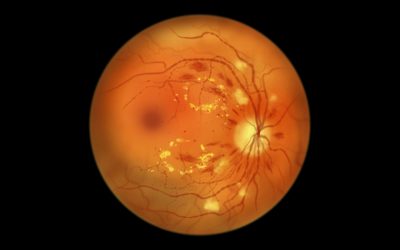
Think of your optic nerve as a cable containing thousands of wires. As the disease progresses, the cup of the optic nerve enlarges as nerve fibers along the rim are lost. This process creates a characteristic pattern called “cupping,” which eye doctors can identify during examination. Over time, this damage leads to progressive narrowing of your visual field which can be similar to looking through a tunnel that gradually gets smaller.
Why early detection matters
Once glaucoma damages your vision, that damage cannot be reversed. However, early detection through regular eye exams can help preserve your remaining vision and prevent further loss. With appropriate treatment, most forms of glaucoma can be controlled effectively, especially when diagnosed before significant damage occurs.
Regular eye examinations become increasingly important as you age, since glaucoma risk rises substantially after age 40. For individuals with risk factors, screening should begin earlier and occur more frequently. Your eye doctor can detect glaucoma before you notice symptoms by using specialized tests to measure eye pressure, examine the optic nerve, and assess peripheral vision.
Glaucoma Risk Factors by Age Group
Glaucoma doesn’t follow a simple age formula. While older adults face the highest risk, this condition can strike at any life stage, with each age group facing unique vulnerability patterns and warning signs.
Infants and children: congenital glaucoma
Primary congenital glaucoma (PCG) occurs in approximately 1 in 10,000 births, affecting newborns through age 3. About 25% of PCG cases appear at birth or within the first month, 65% develop between 1-36 months, and 10% emerge between ages 3 and early adulthood.
Parents often notice telltale signs: enlarged eyes, extreme sensitivity to light, and excessive tearing. These symptoms occur because the eye’s drainage system develops abnormally, causing fluid buildup and pressure that stretches the young eye. Almost 90% of cases happen sporadically without family history. However, in regions like Saudi Arabia, PCG incidence reaches as high as 1/2500 births, highlighting how genetics and geography intersect.
Teens and young adults: rare but possible
Juvenile open-angle glaucoma affects approximately 1 in 50,000 people, typically appearing between ages 3 and 35. This stealth version of glaucoma develops without the dramatic symptoms seen in infants.
Genetics play a stronger role here. About 10-33% of juvenile cases involve MYOC gene variants. Young people can also develop secondary glaucoma from eye injuries, certain medications, or underlying conditions.
Since neither patients nor healthcare providers expect glaucoma in this age group, a delayed diagnosis can increase the possibility of significant eye damage. This is why it’s especially important that children and young adults continue to schedule periodic eye exams with an optometrist or ophthalmologist.
Adults 40-60: early signs and risk monitoring
Your risk of glaucoma rises after age 40, especially if you’re African American. This decades-long window becomes critical for establishing baseline measurements and catching early changes.
Half of glaucoma patients remain undiagnosed, making regular screening essential even when you feel fine.
Family history creates the strongest risk multiplier during these years. Diabetes, high blood pressure, steroid use, and extreme vision prescriptions all amplify your vulnerability. The challenge? Half of glaucoma patients remain undiagnosed, making regular screening essential even when you feel fine.
Seniors 60+: highest risk group
Your chances of developing glaucoma jump six times after age 60, affecting 5-7% in this age group. Furthermore, about 10% of people aged 75 and older develop glaucoma.
Ethnicity creates dramatic variations in risk patterns. Malays show 6.5% prevalence, Indians 6.2%, compared to Chinese populations at 4.9%. African Americans and Hispanic/Latino individuals continue facing higher risks than Caucasians throughout these senior years.
Recent studies show that glaucoma cases among seniors are projected to increase by 43% by 2040. This surge makes regular screening not only important but critically essential for preserving sight in your golden years.
Who Faces the Greatest Glaucoma Risk?
Age tells only part of your glaucoma risk story. Several additional factors can dramatically increase your chances of developing this sight-stealing condition, often in ways that might surprise you.
The genetic connection runs deep
Genetic factors play a key role in all major forms of glaucoma. While it’s known that having a family member with glaucoma increases your risk 4-9 times compared to those without family history, the inheritance pattern shows some interesting specifics. Glaucoma inheritance demonstrates a stronger connection between siblings than between parents and children.
What’s particularly striking: mutations in specific genes like myocilin, optineurin, and CYP1B1 cause approximately 10% of primary open-angle glaucoma cases worldwide. This means that for 1 in 10 people with glaucoma, their condition stems directly from identifiable genetic changes.
Ethnicity creates distinct risk patterns
Beyond the established higher risks for certain ethnic groups, the patterns reveal compelling details. African Americans face 6-8 times higher risk than Caucasians and typically develop glaucoma about 10 years earlier. Hispanic/Latino individuals experience increased risk after age 60.
People of Asian descent show greater susceptibility to angle-closure glaucoma, while those of Japanese ancestry face particular vulnerability to normal-tension glaucoma. These are more than just statistical variations as they represent fundamentally different disease patterns that require tailored screening approaches.
Medications and injuries create unexpected risks
Long-term corticosteroid use can trigger glaucoma development in ways many people don’t expect. Studies reveal a 40% increased incidence among severe asthma patients requiring high-dose steroid inhalers. Even eye drops containing steroids can raise your risk over time.
Eye injuries create lasting vulnerability. Trauma raises glaucoma risk, with incidence reaching 10% within ten years post-trauma. This means a sports injury or accident from years ago could still be affecting your eye health today.
Your overall health affects your eyes
Certain medical conditions can further increase your glaucoma susceptibility. Diabetics face approximately 2.5 times greater risk of elevated intraocular pressure, while hypertension increases risk by 1.32 times. Obesity, cardiovascular disease, and sleep apnea likewise contribute to increased risk.
Understanding these interconnected risk factors helps you and your eye doctor create a more targeted screening and prevention strategy.
How to Protect Your Vision at Every Age
Your vision doesn’t have to fall victim to glaucoma’s silent progression. Taking protective steps today can preserve your eyesight for decades to come, and the approach you need depends on your current life stage and risk factors.
When you need glaucoma screening
The American Optometric Association recommends exams at least every two years for those under 64, and annually after 65. Those with high risk factors need screening more frequently as regular monitoring by a glaucoma specialist ensures any treatment remains effective. Those with risk factors such as family history or African American heritage should begin regular screenings by age 35.
The troubling reality: half of all people with glaucoma remain undiagnosed. Don’t become part of this statistic.
Daily habits that protect your eyes
The good news: simple lifestyle changes can help reduce your glaucoma risk naturally.
Regular moderate exercise like walking or jogging can reduce intraocular pressure. Your heart-healthy choices benefit your eyes too. Eat a balanced diet rich in leafy greens and colorful fruits that provide essential antioxidants. Limit your caffeine intake to under three cups daily.
Avoid activities that might increase eye pressure, such as head-down yoga positions. These small adjustments in your daily routine can make a meaningful difference in protecting your vision.
Warning signs that require immediate attention
Schedule an appointment with an eye doctor immediately if you notice vision changes, particularly peripheral vision loss or difficulty adjusting to low light. These could signal early glaucoma development. Any eye injury also requires prompt evaluation, as trauma increases your glaucoma risk significantly.
Why your family members need to know
First-degree relatives of glaucoma patients face almost a 1 in 4 chance of developing the condition themselves. This risk doubles if your relative has advanced glaucoma. If you receive a glaucoma diagnosis, encourage family members to begin testing approximately 10 years before the age at which you were diagnosed.
Early intervention can dramatically alter glaucoma’s course.
Schedule a comprehensive eye exam at Chang Eye Group in Pittsburgh to protect yourself and encourage your loved ones to do the same. Your proactive steps today could save someone’s sight tomorrow.
Taking Action to Protect Your Sight
Your vision represents one of your most precious possessions, yet glaucoma works quietly to steal it away without warning. The information throughout this guide reveals a clear pattern: while glaucoma risk factors vary across age groups and ethnicities, early detection remains your most powerful tool for preservation.
The good news: regular eye exams can catch glaucoma before permanent damage occurs.
Understanding your personal risk profile helps you take appropriate action at the right time. Whether you face elevated risk due to family history, ethnicity, or age, the steps you take today directly impact your vision tomorrow.
Glaucoma damage cannot be reversed once it occurs. This reality makes prevention and early detection critical. Regular eye exams serve as your first line of defense, especially since half of all people with glaucoma remain undiagnosed. African Americans should begin screenings by age 35, while others can generally start at 40.
Beyond scheduling regular exams, simple lifestyle choices support your eye health. Regular moderate exercise naturally reduces eye pressure, while a diet rich in leafy greens provides vital antioxidants. Even limiting caffeine intake helps protect your vision.
Family members of glaucoma patients carry significantly elevated risk as almost 1 in 4 will develop the condition during their lifetime. Sharing information about your diagnosis encourages your relatives to start their own screening programs earlier.
Your sight deserves protection at every life stage. Whether you’re monitoring risk factors as an adult or addressing elevated concerns as you age, taking proactive steps now safeguards your vision for years to come. Remember that appropriate treatment can effectively slow or halt glaucoma progression when detected early.
Don’t wait until symptoms appear—by then, permanent damage may have already occurred. Schedule a comprehensive eye exam at Chang Eye Group in Pittsburgh to assess your glaucoma risk and develop a personalized protection plan.
FAQs
Q: At what age does the risk of glaucoma significantly increase?
A: The risk of developing glaucoma increases dramatically after age 60, making individuals in this age group six times more likely to develop the condition. However, it’s important to note that glaucoma can affect people of all ages, from infants to seniors.
Q: What are the primary risk factors for glaucoma?
A: The strongest risk factors for glaucoma include high intraocular pressure, age over 55, African American, Asian, or Hispanic heritage, family history of glaucoma, certain medical conditions like diabetes and high blood pressure, and having thin corneas.
Q: Can early detection prevent vision loss from glaucoma?
A: While early detection cannot prevent glaucoma itself, it can significantly help in preventing or slowing vision loss. Regular comprehensive eye exams are crucial for early diagnosis, allowing for prompt treatment to effectively manage the condition and preserve vision.
Q: How often should I get screened for glaucoma?
A: The American Academy of Ophthalmology recommends a baseline comprehensive eye exam at age 40. After that, screenings should occur every 2-4 years for ages 40-54, every 1-3 years for ages 55-64, and every 1-2 years for those over 65. People with higher risk factors should start screenings earlier and have them more frequently.
Q: What lifestyle changes can help protect against glaucoma?
A: To support eye health and potentially reduce glaucoma risk, maintain a heart-healthy lifestyle. This includes regular moderate exercise, eating a balanced diet rich in leafy greens and colorful fruits, limiting caffeine intake, and avoiding activities that might increase intraocular pressure, such as certain yoga positions.