

Diabetic retinopathy affects more Americans than you might expect, ranking as the leading cause of blindness in people 18-64 years old. The condition silently damages a person’s vision without warning signs until permanent harm has occurred. What makes this condition particularly troubling is that it progresses without obvious symptoms, stealing sight before you realize damage has begun.
The reality hits close to home for millions of Americans living with diabetes. About one in three people with diabetes who are older than age 40 already show signs of diabetic eye disease. Diabetes not only threatens your blood sugar control, but it also doubles your chances of developing glaucoma and accelerates cataract formation, causing these conditions to appear at younger ages and progress faster than in people that don’t have diabetes.
Even with these sobering statistics, you possess significant power to protect your eyesight from diabetes-related damage.
Finding and treating diabetic retinopathy early can reduce your risk of blindness by 95 percent.
Understanding how diabetes affects your eyes creates the foundation for preserving your vision throughout your lifetime. Finding and treating diabetic retinopathy early can reduce your risk of blindness by 95 percent.
Whether you’ve recently received a diabetes diagnosis or have been managing the condition for years, this guide explains how diabetes threatens your sight, the warning signs that demand attention, and the daily steps that shield your eyes from preventable damage.
How Diabetes Attacks Your Vision from Within
Your eyes contain some of the smallest blood vessels in your body, making them exquisitely sensitive to changes in your blood glucose levels. When diabetes elevates sugar in your bloodstream, it launches a coordinated attack on multiple eye structures simultaneously.
The cascade of damage from high blood sugar
Think of your eye’s blood vessels as delicate garden hoses carrying vital nutrients to your vision. When glucose levels spike, this excess sugar acts like sand flowing through those hoses, gradually wearing down their walls and clogging their pathways.
Blood sugar creates havoc throughout your visual system through several destructive mechanisms:
- Osmotic changes occur when excess glucose pulls fluid into your lens, causing it to swell and distort light as it passes through
- Blood vessel wall damage weakens the tiny vessels in your retina, forcing them to leak fluid and proteins where they shouldn’t
- Protein modifications happen when sugar molecules bind permanently to vessel proteins, creating stiff, inflexible walls that can’t respond to pressure changes
- Inflammatory damage spreads throughout light-sensitive cells, harming the delicate photoreceptors responsible for clear vision
Your entire visual system—from the clear cornea at the front to the optic nerve at the back—suffers when blood sugar remains consistently elevated.
What happens to your vision over time
Blood sugar fluctuations create two distinct patterns of vision damage that unfold differently across time.
When glucose levels spike temporarily, your lens draws in excess fluid like a sponge absorbing water. This swelling changes how your lens focuses light, creating blurry vision that shifts throughout the day as your blood sugar rises and falls. These focusing problems typically resolve when you bring glucose back to target ranges. The American Diabetes Association suggests most nonpregnant adults should target between 80-130 mg/dL before meals and under 180 mg/dL afterward.
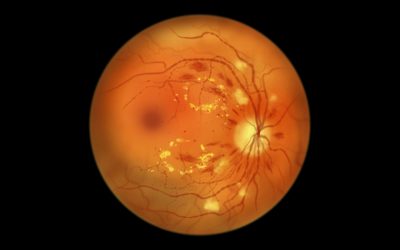
However, long-term exposure to high glucose levels can be more serious and cause permanent damage. Persistently elevated glucose attacks the microscopic blood vessels feeding your retina, which is the light-sensitive tissue that captures images for your brain. These tiny vessels begin leaking fluid and blood into areas where they don’t belong, creating the first signs of diabetic retinopathy.
Your eyes attempt to repair this damage by growing new blood vessels. Unfortunately, these replacement vessels often develop incorrectly, forming weak, fragile networks prone to sudden bleeding that can flood your vision with blood. This abnormal vessel growth can trigger diabetic macular edema, where fluid accumulates in your central vision area responsible for reading and detailed sight.
What makes diabetic eye damage particularly dangerous is its silent progression until major damage occurs. Your retina contains no pain receptors, so damage accumulates without warning signals until vision loss becomes noticeable which is often too late for complete recovery.
Multiple Ways Diabetes Threatens Your Vision
Diabetes doesn’t limit its attack to just one part of your eye. This condition targets multiple eye structures simultaneously, creating several distinct threats to your sight that can develop together or separately.
Understanding these different diabetic eye diseases helps you recognize warning signs before irreversible damage occurs.
Diabetic retinopathy: the silent destroyer
Diabetic retinopathy progresses through two distinct phases, each more threatening than the last. During the early stage, called non-proliferative diabetic retinopathy, blood vessel walls weaken and develop tiny bulges that leak fluid into your retina. You might notice floating spots, blurred vision, or dark areas creeping into your visual field.
The advanced stage, proliferative diabetic retinopathy, creates an even more dangerous scenario. Your retina attempts to compensate for damaged blood vessels by growing new ones, but these replacement vessels are fragile and rupture easily. When they bleed, they can cause sudden, severe vision loss that may be permanent.
It is important to know that diabetic retinopathy often develops with no early symptoms whatsoever. If you have been diagnosed with type 1 or type 2 diabetes, schedule a comprehensive eye exam at Chang Eye Group in Pittsburgh where specialists use advanced diagnostic tools to detect diabetic retinopathy in its earliest stages, potentially saving your sight through timely intervention.
Diabetic macular edema: when central vision fails
Recent studies indicate that over 5% of people with diabetes develop diabetic macular edema (DME), a condition that affects the macula, which is the central part of your retina responsible for sharp, detailed vision. When weakened blood vessels leak fluid into this critical area, it swells and distorts your ability to see clearly.
DME creates particularly frustrating symptoms. Straight lines appear wavy or bent, colors seem washed out, and dark spots may block your central vision. Reading, driving, and recognizing faces become increasingly difficult as the fluid continues to accumulate.
Glaucoma: doubled risk for diabetics
Diabetes also doubles your risk of developing glaucoma, creating a dangerous cycle of eye damage. Diabetes injures blood vessels in the front portion of your eye, triggering the growth of abnormal new vessels near your iris. These can block your eye’s natural drainage system, causing pressure to build inside your eye.
This mounting pressure damages your optic nerve, which is the vital connection between your eye and brain. Once glaucoma destroys these nerve fibers, that vision loss cannot be recovered.
Cataracts: why they appear earlier in diabetics
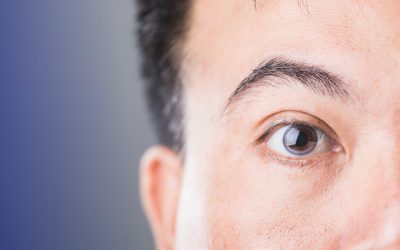
People with diabetes develop cataracts up to five times more frequently than those without the condition, and these cataracts typically appear at younger ages while progressing faster. High blood sugar accelerates this clouding process through multiple mechanisms that target your lens directly.
Excess glucose converts to sorbitol inside your lens, drawing water inward and distorting the proteins that keep your lens clear. Meanwhile, sugar molecules attach directly to lens proteins, forming clumps that scatter incoming light and create the characteristic cloudy vision of cataracts.
Each of these conditions poses serious threats to your sight, but early detection through regular eye examinations can help preserve your vision before permanent damage occurs.
Understanding Your Personal Risk for Diabetic Eye Disease
Your individual risk for diabetic retinopathy extends far beyond simple blood sugar control. Several factors dramatically increase your vulnerability to vision-threatening complications, even when you’re managing your diabetes carefully.
How ethnicity and pregnancy affect your risk
Black and Hispanic individuals face significantly higher odds of serious diabetic eye complications. Black patients have a 34% higher risk of blindness and 113% higher risk of tractional retinal detachment within one year. Similarly, South Asian and African ethnic groups demonstrate increased risk of sight-threatening diabetic retinopathy compared to White populations.
Pregnancy creates an independent risk factor that many women don’t anticipate. Approximately 1 in 12 women with pre-existing diabetes will develop some form of diabetic retinopathy during pregnancy. Women with type 1 diabetes face greater risks than those with type 2 diabetes.
Understanding your background helps you and your eye doctor create appropriate monitoring schedules based on your specific vulnerability patterns.
Duration of diabetes predicts eye damage
The length of time you’ve lived with diabetes strongly predicts your eye complication risk. Type 1 diabetes presents a unique timeline since retinopathy rarely appears at diagnosis but develops progressively. After 20 years with type 1 diabetes, 99% of patients show some degree of retinopathy. Type 2 diabetes follows a different pattern, with about 60% of patients developing retinopathy after 20 years.
These timelines underscore why regular eye examinations become increasingly critical if you have been diagnosed with diabetes.
Blood pressure and cholesterol multiply your risk
Diabetes doesn’t operate in isolation when threatening your vision. Hypertension damages blood vessels throughout your body, including the delicate vessels in your retina. High cholesterol levels create additional complications, correlating directly with hard exudates in the retina and diabetic macular edema.
Research shows that patients with elevated total cholesterol show higher likelihood of developing retinal hard exudates, while increased LDL cholesterol levels associate with pathogenic progression of diabetic retinopathy.
Regular monitoring and management of these interconnected health factors can help protect your vision.
Daily Habits that Shield Your Vision from Diabetic Damage
Blood glucose management serves as your strongest weapon against diabetic retinopathy, but protecting your vision requires a broader approach that includes regular professional monitoring and smart lifestyle choices.
What happens during your diabetic eye examination
Your eye doctor uses special dilating drops to widen your pupils during a comprehensive examination, temporarily blurring your near vision for several hours. This allows complete examination of your retina, blood vessels, and optic nerve. The examination reveals microscopic bleeding, yellow lipid deposits, or white feathery lesions that signal oxygen-starved retinal tissue.
For people with type 1 diabetes, schedule your first eye exam within five years of diagnosis, while those with type 2 diabetes need immediate screening upon diagnosis. These appointments not only monitor existing problems but can help catch diabetic retinopathy before permanent damage occurs.
The knowledgeable and caring support staff and exceptional ophthalmologists at Chang Eye Group in Pittsburgh have decades of experience treating diabetics and the unique eye conditions that may occur with the disease.
Vision-protecting habits for daily life
Beyond blood sugar control, several lifestyle choices create additional layers of protection for your eyes. Wear quality sunglasses outdoors, even on cloudy days, and use protective eyewear during sports or home repairs.
The 20-20-20 rule offers immediate relief for digital eye strain: every 20 minutes, look at something 20 feet away for 20 seconds. Aim for 30 minutes of physical activity daily to improve circulation and naturally lower blood sugar levels. Quality sleep maintains stable glucose levels, while poor sleep patterns increase insulin resistance and worsen diabetic complications.
Whether you’ve recently been diagnosed with diabetes or have been managing it for years, this guide from Chang Eye Group provides practical strategies and daily habits that can help protect your vision.
Managing diabetes to protect your retinal health
Controlling blood glucose remains your most powerful tool against diabetic retinopathy. Regular monitoring combined with consistently taking prescribed medications prevents damage to the delicate blood vessels in your retina.
Maintaining healthy blood pressure and cholesterol levels provides additional protection. Build balanced meals with protein, fiber, and healthy fats to prevent sudden glucose spikes that damage retinal blood vessels. If you smoke, quitting will significantly improve circulation to eye tissues and help reduce inflammation throughout your body.
When your eyes need immediate attention
Contact an eye doctor immediately if you notice sudden vision changes, floating spots, cobweb-like streaks, or difficulty focusing. People with long-standing diabetes, consistently high blood sugar levels, or pregnant women with diabetes require more frequent specialist monitoring.
Don’t wait for symptoms to appear. Diabetic eye disease often progresses without noticeable warning signs.
Remember that early-stage diabetic retinopathy frequently develops without symptoms. Through early detection and appropriate treatment, 95% of vision loss caused by diabetes can be prevented. Your proactive steps today determine your vision tomorrow.
Protecting Your Vision from Diabetes
Your vision represents one of your most precious possessions, yet diabetes works silently to threaten this gift long before symptoms alert you to danger. Throughout this guide, we’ve explored how diabetes attacks your eyes through multiple pathways, yet the strategies to protect yourself remain firmly within your control.
Blood glucose management stands as your most powerful defense against diabetic eye disease. When you pair consistent monitoring with regular dilated eye exams, you create multiple layers of protection for your sight. Blood pressure and cholesterol control add essential shields against retinal damage.
Your personal risk profile—influenced by ethnicity, pregnancy status, diabetes duration, and other health conditions—helps determine your screening schedule and preventive approach. Understanding these factors empowers you to work effectively with your healthcare team.
Don’t wait for symptoms to appear. Damage from “silent” eye diseases may already be progressing with no obvious warning signs.
Your eyes deserve the same careful attention you give to monitoring blood sugar, managing medications, and maintaining healthy lifestyle habits. These coordinated efforts protect not just your sight but your independence and quality of life for years ahead.
Schedule a comprehensive dilated eye exam at Chang Eye Group in Pittsburgh, where specialists understand the unique challenges diabetes creates for your vision and provide expert care tailored to your individual needs.
FAQs
Q: How does diabetes affect eye health?
A: Diabetes can damage the blood vessels in your eyes, leading to various eye conditions such as diabetic retinopathy, macular edema, glaucoma, and early-onset cataracts. High blood sugar levels can cause both short-term vision changes and long-term damage to eye tissues.
Q: What are the early signs of diabetic eye disease?
A: Early stages of diabetic eye disease often have no noticeable symptoms. As it progresses, you may experience blurry vision, dark or empty areas in your vision, difficulty seeing colors, or floating spots. Regular eye exams are crucial for early detection.
Q: How often should people with diabetes have their eyes examined?
A: People with type 1 diabetes should have their first eye exam within five years of diagnosis. Those with type 2 diabetes should schedule an examination immediately upon diagnosis. After that, annual comprehensive dilated eye exams are recommended for all diabetics.
Q: Can diabetic eye disease be prevented?
A: While not entirely preventable, the risk of diabetic eye disease can be significantly reduced. Maintaining good blood sugar control, managing blood pressure and cholesterol levels, having regular eye exams, and adopting a healthy lifestyle are key strategies for prevention.
Q: What lifestyle changes can help protect vision for people with diabetes?
A: Several lifestyle changes can help protect your vision if you have diabetes. These include maintaining good blood sugar control, getting regular physical activity, eating a balanced diet, quitting smoking, wearing protective eyewear, and following the 20-20-20 rule when using screens to reduce eye strain.