

Two out of three Americans falsely believe vision loss is inevitable as we age. This dangerous misconception stops millions from taking the simple steps that could preserve their sight for decades to come. Most serious eye conditions don’t have to steal your vision permanently.
Your eyes begin changing in your early to mid-40s, often with symptoms so subtle you’ll dismiss them as nothing important. These seemingly minor shifts actually signal the early stages of conditions that could threaten your sight—especially if you have diabetes or high blood pressure.
Vision loss happens with virtually no warning signs and develops so gradually that you won’t notice changes until serious damage has already occurred. Half of Americans over age 75 develop cataracts, while age-related macular degeneration typically strikes after 50. Your lens, retina, and optic nerve all undergo changes that create perfect conditions for these sight-stealing diseases.
Early detection can save your vision.
Eye care professionals recommend annual dilated eye exams for everyone over 50, regardless of how well you think you see. After 60, these protective checkups become even more critical. While some vision changes naturally occur with aging, understanding the hidden warning signs can help you take action before permanent damage occurs.
Your sight depends on recognizing these early symptoms and acting on them promptly.
Normal Vision Changes You Can Expect With Age
Understanding normal aging helps you distinguish between expected changes and warning signs of disease. These natural shifts occur in everyone’s eyes, though they develop at different rates depending on your individual health and genetics.
How your eyes change over time
Your eyes work harder as you age because key structures lose their flexibility over time. The gradual hardening of the lens inside your eye represents the most significant change. Think of this lens like a flexible camera lens that automatically adjusts to focus on objects near and far. When you’re young, this lens easily changes shape to bring different distances into sharp focus.
This system begins breaking down in your 40s. The lens loses its ability to change shape effectively, making it increasingly difficult to focus on objects at different distances.
Your tear production also decreases with age, creating dry, irritated eyes.
In addition, your pupils become smaller and respond more slowly to changing light conditions, causing problems when you move between bright and dim environments.
Physical changes that affect daily vision
Your aging eyes create specific challenges you’ll likely recognize. For example, you might first notice that reading fine print requires better lighting or that restaurant menus become harder to decipher.
Here are some other challenges that you may notice with your vision as you get older:
- Needing brighter lighting to read comfortably
- Struggling to distinguish colors, especially blue from black
- Finding night driving more difficult and stressful
- Taking longer to adjust between bright and dark spaces
- Experiencing persistent dry, scratchy eyes
These changes typically begin in your early to mid-40s and continue progressing until your mid-60s.
Presbyopia: why reading becomes difficult
Presbyopia—the medical term for age-related near vision problems—affects virtually everyone who lives a long life. This condition develops because your eye’s lens can no longer adjust its shape to focus on nearby objects.
Here’s how this part of your vision system works: Your lens sits behind your iris, surrounded by a circular muscle that contracts and relaxes to change the lens shape. When you look at something far away, this muscle relaxes, flattening the lens. When focusing on something close, it contracts, making the lens more curved.
As you reach your 40s, this once-flexible system stiffens. You’ll probably notice yourself holding books and menus farther away from your face, taking off your distance glasses to see up close, or struggling with small print in dim lighting. These classic presbyopia symptoms start gradually but become unmistakable as you age.
The condition can’t be prevented or reversed, but it does stabilize in your early to mid-60s. After this point, your prescription typically changes less frequently, and various corrective options can restore comfortable near vision.
The Silent Warning Signs Your Eyes Are Sending You
Age-related vision changes happen so gradually that most people miss them completely. These subtle shifts often masquerade as minor inconveniences until they seriously impact your daily life.
When colors start to fade
The ability to distinguish colors begins to decline after age 40. Your eye’s lens gradually yellows over time, filtering out blue light and making vibrant blues appear dull and muted. Research reveals that older adults struggle more with yellow-blue color discrimination compared to red-green differences.
You might find yourself wondering why that blue shirt suddenly looks purple, or why yellow and green items seem nearly identical. These color perception changes often accelerate dramatically after your early 50s.
The dry eye epidemic you’re probably ignoring
Tear production naturally decreases as you age, affecting both the quantity and quality of your tears. Postmenopausal women experience this reduction most severely due to hormonal changes.
What feels like minor irritation could signal significant changes:
- Stinging or burning sensations that come and go
- Stringy mucus collecting around your eyes
- Unexpected sensitivity to normal lighting
- Vision that becomes noticeably blurry as the day progresses
Most people dismiss these symptoms as temporary annoyances rather than recognizing them as clear signs their eyes are aging. You can learn more about protecting your vision and caring for your eyes after 40 in this recent article from the doctors at Chang Eye Group in Pittsburgh.
Why driving at dusk becomes terrifying
Even with perfect daytime vision, you might suddenly struggle to see clearly in low light conditions. After about age 40, the rod photoreceptors essential for night vision begin diminishing. Your pupils also become smaller, allowing significantly less light to reach your retina.
Driving during twilight hours can be particularly dangerous due to the constant adjustment between darkness and oncoming headlights. This is a common and genuine difficulty for our vision as we age. Studies show that the time your eyes need to adapt to darkness increases by 2.76 minutes every decade.
The contrast problem nobody talks about
Contrast sensitivity, or your ability to distinguish objects from their backgrounds, decreases with age even when your vision chart results remain normal. This decline typically begins between ages 40-50. Initial signs of this may be noticed in your ability to see fine details.
Simple daily tasks can become surprisingly challenging. For example, pouring coffee into a dark mug may seem to be more guesswork than skill. Or, women may notice that finding items in your purse requires more time and effort. Another common sign of contrast sensitivity is that you may notice that it is more difficult to read anything that isn’t black text on a white background.
Don’t just assume that these vision changes are inconvenient; they are warning signs that need evaluation by an ophthalmologist before they progress further.
The Silent Diseases That Steal Your Sight
The most dangerous eye diseases work like quiet intruders, causing permanent damage long before you notice anything wrong. These conditions often masquerade as normal aging changes, making early detection critical for preserving your vision.
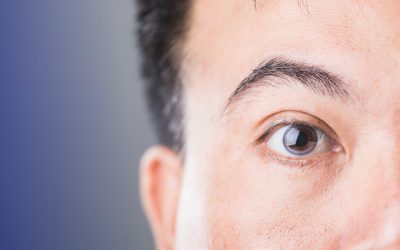
Cataracts: when your natural lens clouds over
Your eye’s natural lens gradually becomes cloudy with age, eventually developing into cataracts. You might first notice subtle changes such as slightly blurred vision or halos appearing around lights at night. Colors begin looking faded or yellowed, and driving after dark becomes increasingly difficult.
Nearly 1 in 5 Americans aged 65-74 have vision-affecting cataracts, while more than half of those over 80 either have cataracts or have had surgery to remove them. What starts as minor visual annoyances can progress to significant vision impairment if left untreated.
Glaucoma: the silent thief of sight
Glaucoma, commonly called the “silent thief of sight,” typically causes no pain as pressure gradually builds inside your eye, slowly damaging the optic nerve. Almost half of Americans with glaucoma don’t know they have it, making this leading cause of blindness particularly dangerous for people over 60.
The first sign is often peripheral vision loss so subtle it goes completely unnoticed until significant damage has already occurred. Your central vision remains clear, creating a false sense that everything is fine while your sight slowly disappears from the edges inward.
Age-Related Macular Degeneration (AMD): central vision at risk
Age-related macular degeneration (AMD) attacks the macula, which is the part of your retina responsible for sharp central vision. Early symptoms include straight lines appearing wavy or experiencing slightly blurry vision. It has been estimated that 288 million people worldwide will have this condition by 2040.
What makes AMD particularly challenging is how it affects the vision you rely on most for reading, driving, and recognizing faces. Early detection through regular eye exams at Chang Eye Group in Pittsburgh can help preserve your remaining vision before irreversible damage occurs.
Diabetic Retinopathy: hidden damage behind healthy-looking eyes
Diabetic retinopathy presents one of the most deceptive threats to vision. Retinal damage often begins with absolutely no symptoms. Approximately one-third of all people with diabetes develop diabetic retinopathy, yet in early stages, your vision appears completely normal.
When symptoms become noticeable, such as floating spots, blurred vision, or dark areas in your sight, significant damage has likely already occurred to your eye. Without early intervention, this condition can progress to complete blindness, making regular screening essential for anyone with diabetes.
Protecting Your Vision as You Age
Prevention beats treatment when it comes to your eyesight. Taking action now can preserve healthy vision well into your later years, regardless of your current age.
The foods that protect your eyes
What you eat directly affects your eye health. Studies reveal that specific nutrients can dramatically reduce your risk of cataracts and age-related macular degeneration. Your eyes need these protective compounds:
Dark green leafy vegetables like spinach and kale contain lutein and zeaxanthin, powerful antioxidants that filter harmful light. Colorful fruits and vegetables provide vitamin C, which research shows lowers cataract risk. Fish such as salmon and sardines deliver omega-3 fatty acids that slow AMD progression. Nuts and seeds offer vitamin E, protecting your eye cells from damage.
These aren’t expensive supplements or complicated meal plans. There are just simple food choices that support long-term vision health. Learn more about the foods that best nourish and protect your eyes in this article from Chang Eye Group.
Sunlight damage adds up over time
UV exposure significantly increases your risk of developing both cataracts and macular degeneration. The damage accumulates throughout your lifetime, making protection essential at every age.
Choose sunglasses that block 100% of both UVA and UVB radiation. Pair them with a wide-brimmed hat for maximum protection, especially between 10 a.m. and 4 p.m. when UV radiation peaks. These simple protections can help protect your eye health every time you step outside.
Your family history matters
Genetics play a major role in your eye health risks. Having a family member with glaucoma makes you 4-9 times more likely to develop the disease. AMD runs in families too: your risk increases by 50% if a relative has this condition.
Share this crucial information with your eye doctor. Schedule a comprehensive eye exam at Chang Eye Group in Pittsburgh to establish your personal risk factors and create a prevention strategy tailored to your needs.
Early action changes everything
Some vision changes happen naturally with age, but serious sight-threatening conditions can often be prevented or slowed when detected early. Regular eye exams catch problems before you notice symptoms. This allows treatment to work best and prevent or significantly slow any permanent damage.
The Vision-Saving Choice That’s Yours to Make
Understanding the difference between normal aging and warning signs puts you in control of your eye health future. Early detection remains your strongest defense against conditions that could steal your sight permanently.
Subtle symptoms like color perception changes, eye dryness, or night vision troubles aren’t just signs of “getting older”. These symptoms can indicate the beginning of serious conditions. Glaucoma and diabetic retinopathy work silently, causing damage long before you notice anything wrong.
And remember that your daily choices directly impact your vision health. The foods you eat, the UV protection you wear, and your family history awareness all play crucial roles in preserving your sight. Most importantly, the timing of your eye exams could determine whether you maintain clear vision or face preventable blindness.
Vision loss isn’t inevitable with aging. When caught early, most eye conditions can be managed effectively, allowing you to see clearly for decades to come. Regular eye exams detect problems before symptoms appear, allowing for the best treatment options to help protect your vision.
Your future sight depends on the actions you take today. Don’t wait for symptoms to appear. Schedule your eye exam with Chang Eye Group at one of our convenient locations in Pittsburgh and take control of your vision health while there’s still time to protect it.
FAQs
Q: What are the common eye problems associated with aging?
A: Common age-related eye problems include cataracts, glaucoma, macular degeneration, and diabetic retinopathy. These conditions often start with subtle symptoms that can go unnoticed, such as gradual clouding of vision, peripheral vision loss, central blind spots, or retinal damage.
Q: How can I protect my vision as I age?
A: To protect your vision, maintain a healthy diet rich in eye-supporting nutrients like lutein and omega-3 fatty acids. Wear sunglasses that block 100% of UVA and UVB radiation, know your family history of eye diseases, and schedule regular comprehensive eye exams, especially after age 50.
Q: What are some subtle vision changes that occur with age?
A: Subtle vision changes with age include shifts in color perception (especially difficulty distinguishing blues), increased eye dryness and irritation, difficulties with night vision, and reduced contrast sensitivity. These changes often begin in your 40s and progress gradually.
Q: Is vision loss inevitable as we age?
A: While some vision changes are natural with aging, significant vision loss is not inevitable. Many serious eye conditions can be managed effectively if detected early. Regular eye exams and a healthy lifestyle can help maintain good vision well into your later years.
Q: What is presbyopia and when does it typically occur?
A: Presbyopia is age-related farsightedness that makes it difficult to focus on nearby objects. It typically begins in your early to mid-40s due to reduced lens flexibility in the eye. Symptoms include holding reading materials farther away and struggling to see clearly in low light conditions.